Crying in a museum lobby?
Last month I visited the Leeum Museum of Art, which was showing an exhibition from the contemporary artist Tino Sehgal. It was unlike any exhibition that I've experienced… in that there was no physical art.
Instead, it was a collection of what Sehgal calls "constructed situations": performances of live human interactions - without a specific beginning or end - by "interpreters" (singers, dancers, actors).
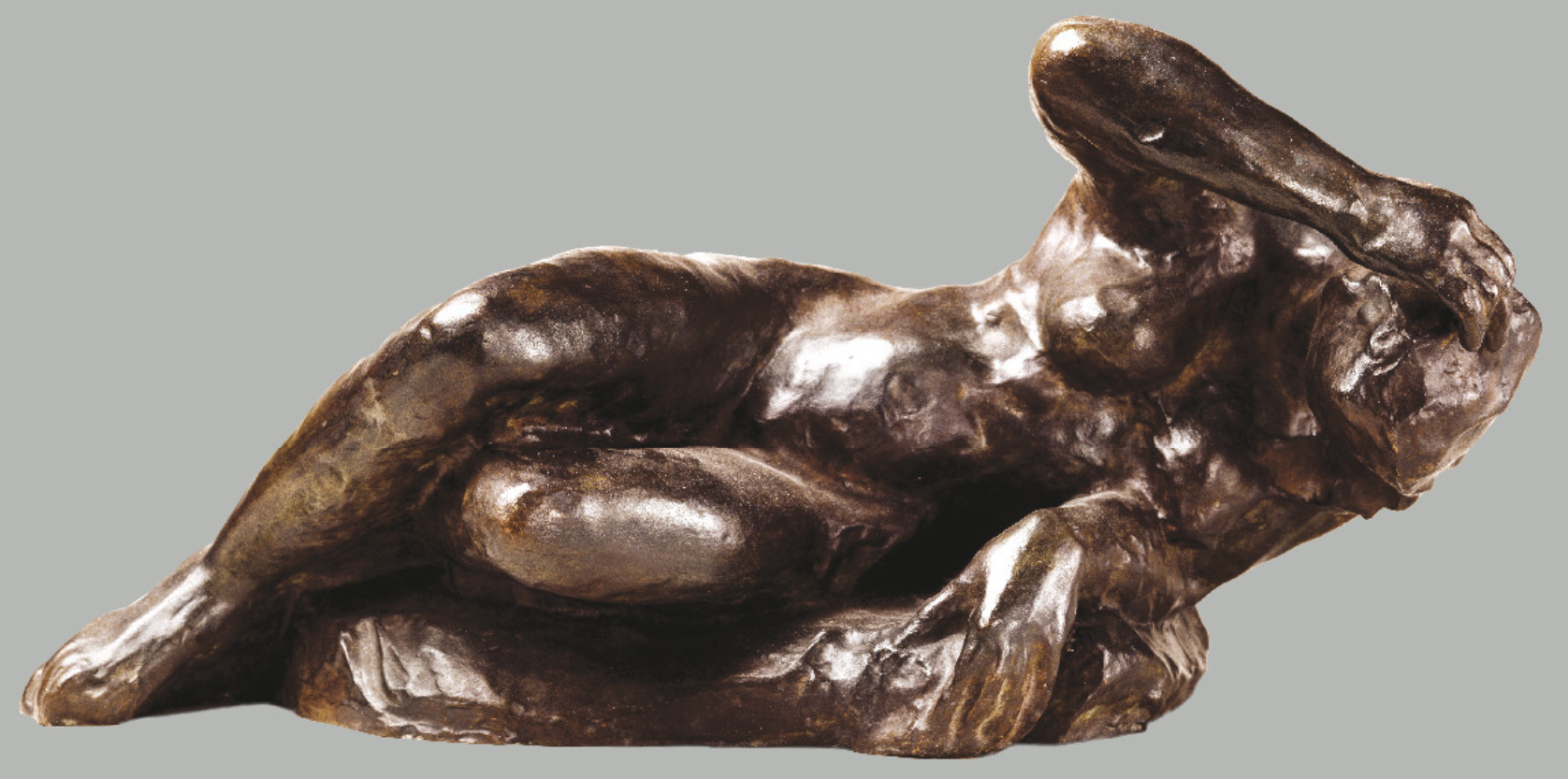
On this particularly disorienting afternoon, I wandered slowly around the exhibition, encountering interpreters doing what I would simply call social experiments - humming, dancing, wailing, talking gibberish to each other; one was even writhing on the floor as an ode to Rodin's statue, Study for Ariadne.
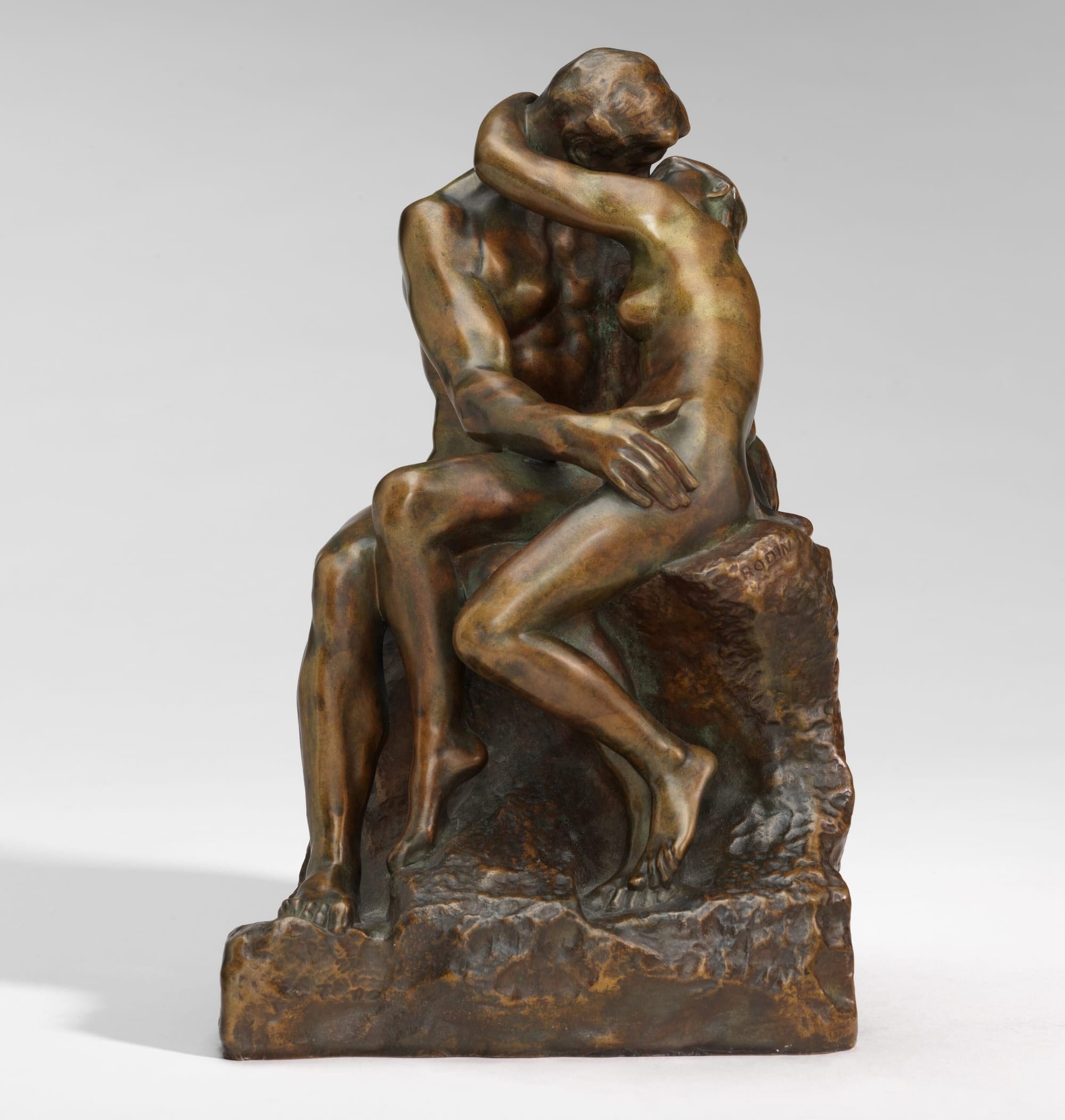
And in a slightly more secluded room, two were re-enacting another famous sculpture by Rodin, The Kiss. (They did kiss, repeatedly.)
Half choreographed and half improvised, these scenarios are crafted intentionally by Sehgal to allow space for audiences and interpreters to interact - because it turns out, museum visitors like myself are often included in these performances.
Having completed the museum's loop of strange displays, I took a seat in the open lobby. The space held a quiet collection of people; some were waiting for friends to arrive, a few were ordering coffees at the museum cafe, and many were resting, checking their phones. I had assumed I was surrounded by other museum-visiting-normies - but then, the woman who had been sitting just to my left for over ten minutes started to hum.
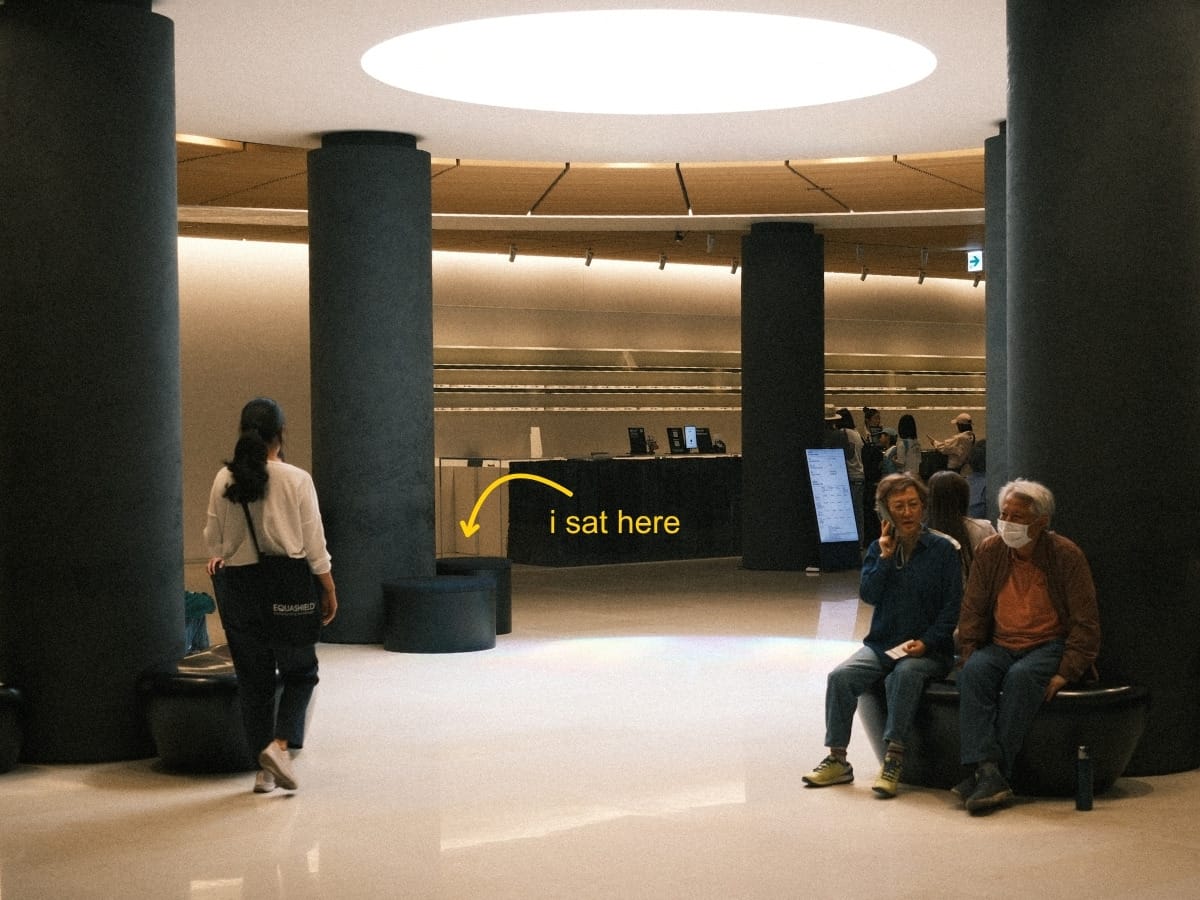
Across the lobby, several other hums lifted from the silence to join hers. I watched, a half-typed text frozen on my phone screen, as a handful of these disguised 'visitors' drifted towards each other. The group of interpreters formed a circle in the middle of the lobby, and a skylight above shone like an ethereal spotlight.
Moving impossibly slowly, they raised their arms, outstretched, to the interpreters on either side and gently connected one or two fingertips. As they hummed in unison with such care and serenity, I wondered, is this dancing? Or do they all just love each other? They floated around and around in a circle; they began to bend at the knees; they were nearly horizontal; they were creating an erratic geometric shape while on the ground; they lay still; then they were drifting up again, ephemeral as ever, and always just barely making contact at the fingertips. Finally, they detached, moving freely again.
During the four or five total minutes of this display, it occurred to me: it's a metaphor for how we experience other people. We encounter, we interact, but over the span of our entire lives, we will often only leave a gentle fingertip of an impression on others, and then we fade away. It usually doesn't mean anything. We eventually forget people. But every so often, we hold on, and find ourselves on the ground with some of them.
The humming stopped - or I suppose, they stopped humming - and the interpreters seemed to blend back into the lobby space, as if the magic they just created was as normal as the wind. But then I noticed they were approaching visitors and introducing themselves. And one interpreter's path was directed straight towards me.
'Hello!' She sat down on the ground, near my feet. 'Can I tell you a story about my dad?'
Was this part of the performance? Or was this a real conversation that she was initiating? I'd never started a conversation this way, but as a Scorpio stellium, I am almost always ready to avoid small talk.
I agreed, and so, this sweet Korean performance artist, whose name I've forgotten, told me about her dad. She described her dad as not one to ever reveal his emotions and inner world.
"I'm sorry, my English is not great. You understand what I mean, right?" She briefly windshield-wiped her hand back and forth in front of her face, putting on a stoic, unfeeling mask. I nodded vigorously.
She told me about her ex-boyfriend; they dated for nearly five years. Long enough, she said, for her father to see him as a son.
(At this point I began to cry. She was alarmed and apologetic - maybe she'd never had this level of audience participation before? I tried to explain that it was touching, the relationship between her ex and her father. I've never been with anyone long enough for that bond to form. Have I taken that opportunity away from my dad? I didn't mean to.)
She patted one hand on my knee and continued with her story: she and her boyfriend eventually broke up, and it was devastating. Her grief was lonely and difficult. Several months later, as they shared a meal, her dad asked her, how is her boyfriend?
It was very clear at that moment: she would have to make a choice. She could choose to tell her dad the truth and risk a vulnerable interaction, or she could sidestep it entirely and say her boyfriend is doing fine. She chose to tell him about the breakup, and waited several long minutes for his response. He was completely silent. It was excruciating for her; she couldn't even look up at him; they had never, ever discussed anything like this.
He finally said one sentence: "You must have been in a lot of pain."
At that, they made eye contact, and she was only able to nod. She compared this phrase to a great revelation, like a curtain to his heart had been pulled back.
"But he hasn't pulled that curtain back ever since."
With that line, her performance had ended, and I sensed that the spotlight was on me now. I wasn't certain what my role was, but more of my tears are arriving, which seemed like an appropriate offering. We sat in silence for a short while, and I had a list of questions lined up:
Do you hope it will happen again?
Does your dad treat your new partner like a son?
Or maybe you are happily alone, like me?
Where is your mother? Could you ever access her?
But then the interpreter was standing up. She thanked me, and said she hoped I enjoyed the rest of my time here. And then she was gone.
The lobby, despite not being part of the dedicated exhibition space, was yet another constructed situation zone. It took me a while to realize that even her story was a part of Sehgal's exhibition.
I wondered how he might have choreographed that with the interpreters. Did Sehgal know of the exact topics that were covered in these conversations with museum visitors? It's impossible to say. After doing a bit of digging, I discovered Sehgal's explanation of his approach to training interpreters.
“If you tell a five-year-old to play baseball, do you give them a book with the words? No, you start playing," Sehgal said. "If you look at most of the knowledge in society, we do very well in transferring knowledge from person to person.”
None of Sehgal's work has been recorded. It can only be experienced in person. The art of our interaction did happen, but it's only in my mind, and hopefully still in hers; similar to the lightest touch of a couple of fingertips.